 PORTLINE
Heritage plate
Place before performance
Orient to the controlled environment, pedestrian edges, and human roles before focusing on a vehicle.
Lane Spine
Public sources support context; they do not become permanent operational promises.
Evidence-aware reading
Lane Spine moves through three questions: What place is being described? Whose community effort is visible? Which source supports the statement, and what does it not establish?
Heritage plate
Orient to the controlled environment, pedestrian edges, and human roles before focusing on a vehicle.
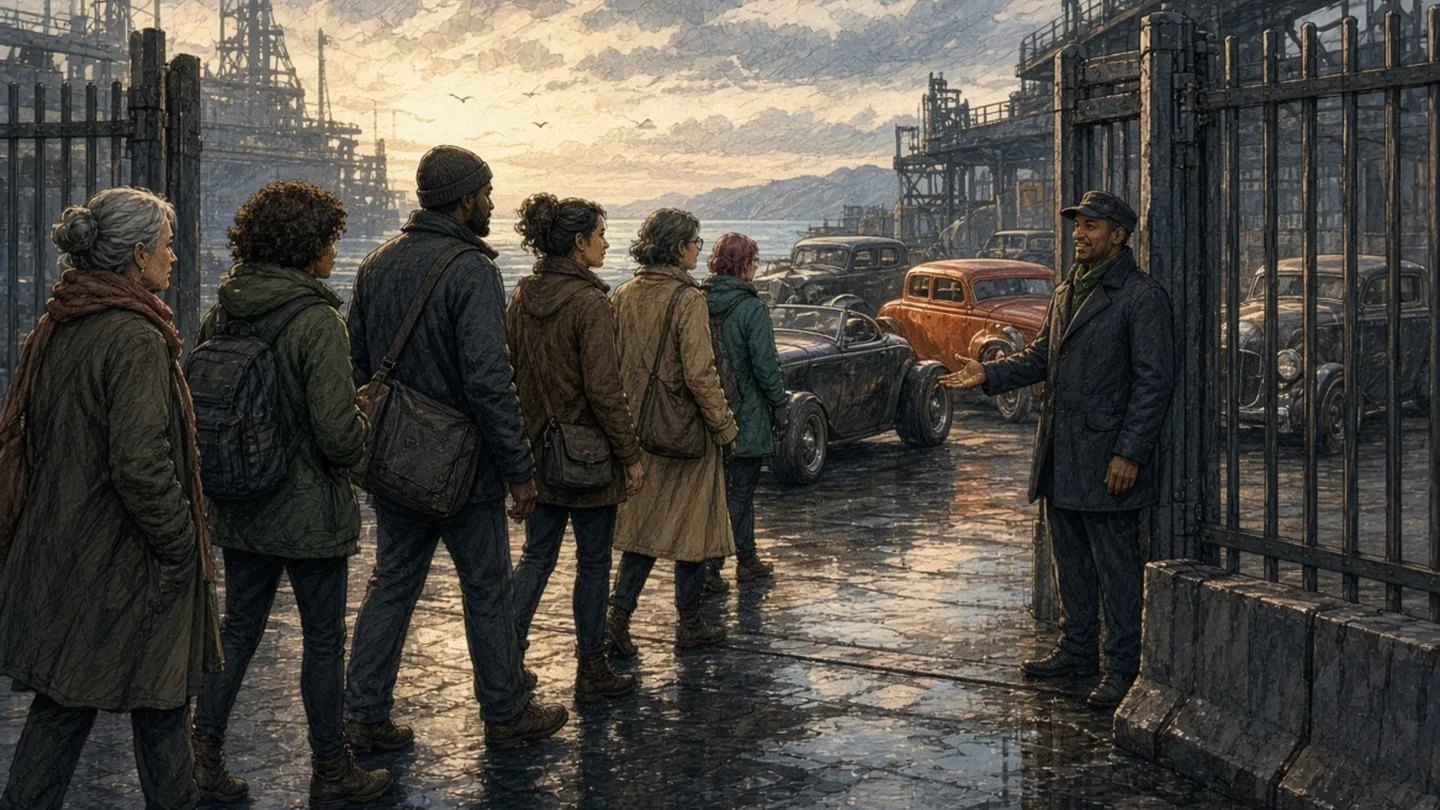
Heritage plate
Treat arrival as a social threshold with welcome and boundaries visible together.

Heritage plate
Carry memory across adult generations without turning recollection into an official record.
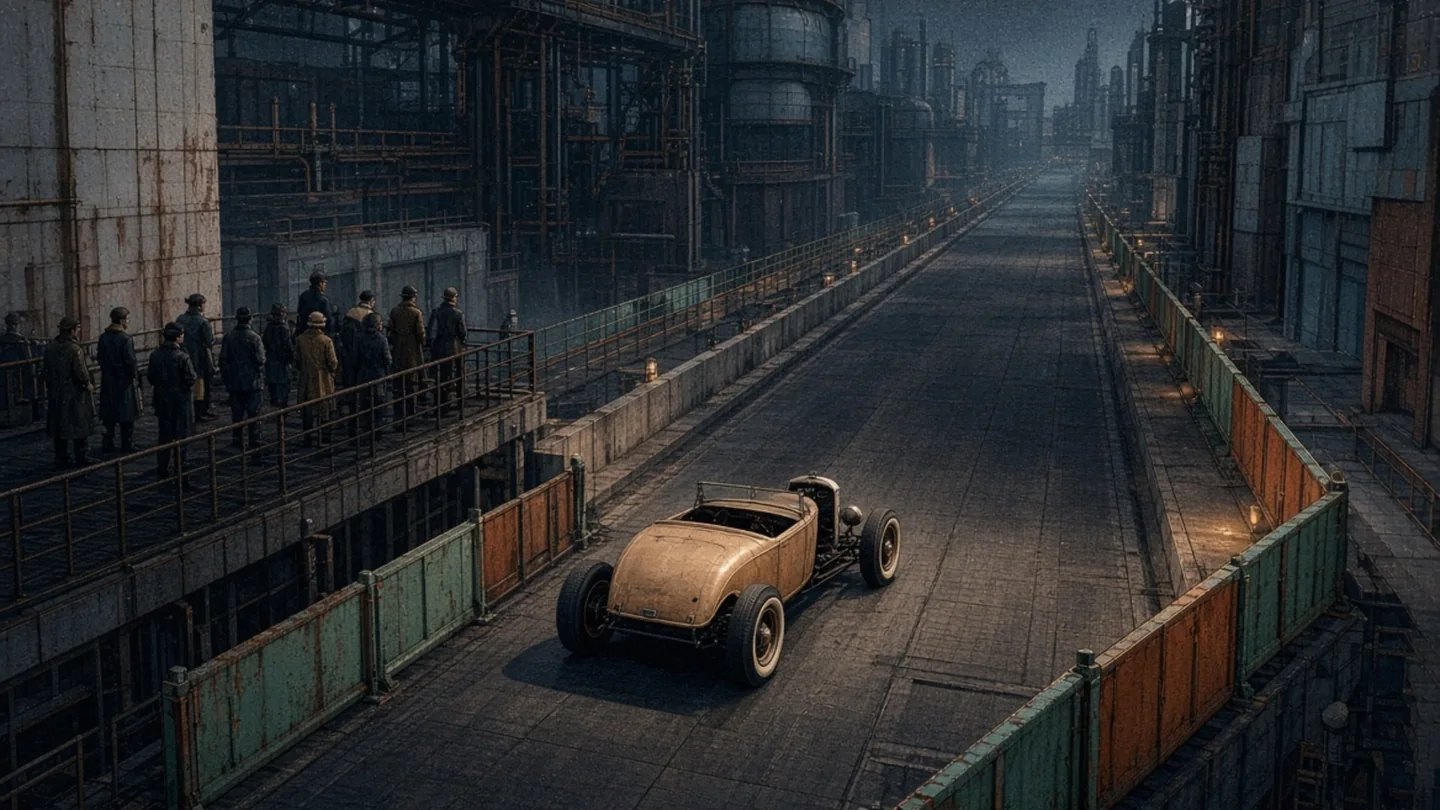
Heritage plate
Keep sanctioned activity visually and conceptually separate from ordinary public roads.

Heritage plate
Record what a source supports, when it was created, and which operational questions remain external.

Heritage plate
Select and contextualise a memory without claiming that one image tells the whole history.